All the National Parks you can visit on Route 66
Route 66 is inevitably linked with nostalgia and American history. It passes through both big cities and small towns, through industrial and agricultural centers and swaths of natural beauty. It follows the routes of the turn-of-the-century railroads, which themselves followed the trails carved by Indigenous tribes and travelers on wagons and horseback. It is part of the land as much as anything else in America.
So it makes sense that its history should overlap with the places and events preserved through the National Park Service.
In fact, there are more than 20 National Park sites either directly along Route 66 or within a short detour of the route. And we made it a point to stop at as many as humanly possible during our three-week trip in November 2019.
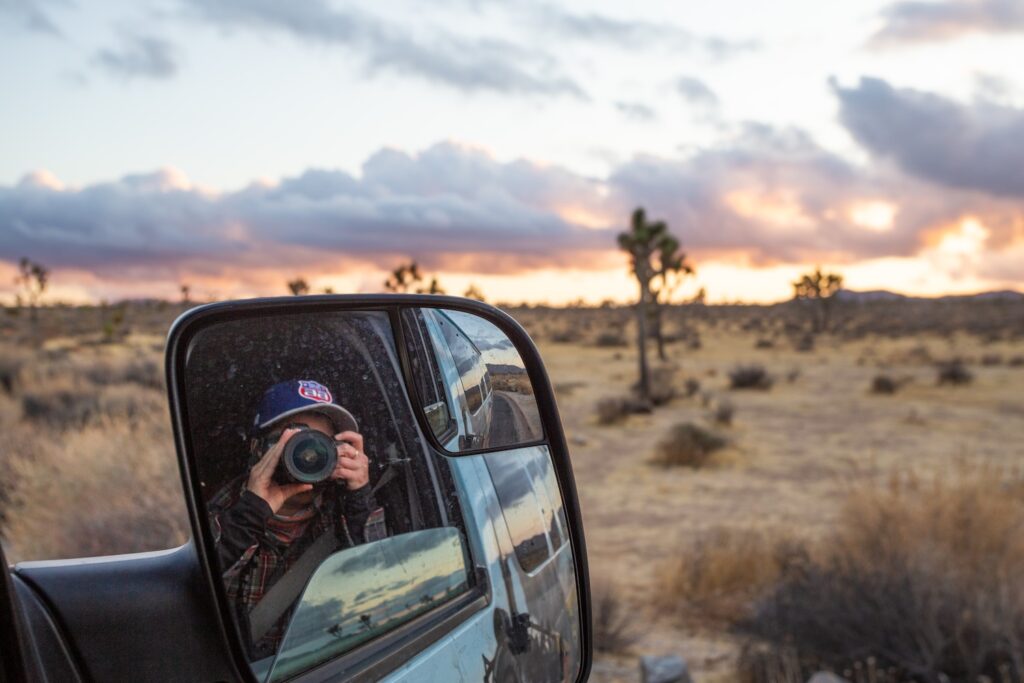
all photos copyright Casey Barber – please be respectful and don’t use without permission!
Some sites are easy to visit; others require a longer commitment that might take you away from the kitsch and car museums for a bit. But I’m betting that if you’re reading this, you’re ready for the challenge and the journey.
If you’re a Parks enthusiast and perhaps also a Parks Passport stamp collector, grab your backpack and stamp book and make a plan to see as many as you can on the road.
Here’s the list of National Park sites on Route 66, listed in order from east to west.
ILLINOIS
Pullman National Historical Park, Chicago
This site, which tells the history of the Pullman sleeping car company and its place in labor and race history, didn’t exist in its current form when we traveled Route 66. It’s located in the Pullman neighborhood on Chicago’s South Side and the official visitor center opened in the restored Administration Clock Tower Building in 2021.
Emmett Till and Mamie Till-Mobley National Monument, Chicago
Though the main portion of this National Monument dedicated to the memory of Emmett Till is in Mississippi, the church where Till’s funeral was held is on Chicago’s South Side on S. State St. and designated as part of the National Monument.
You can get your parks stamp at the Pullman visitor center if you choose to visit the church.
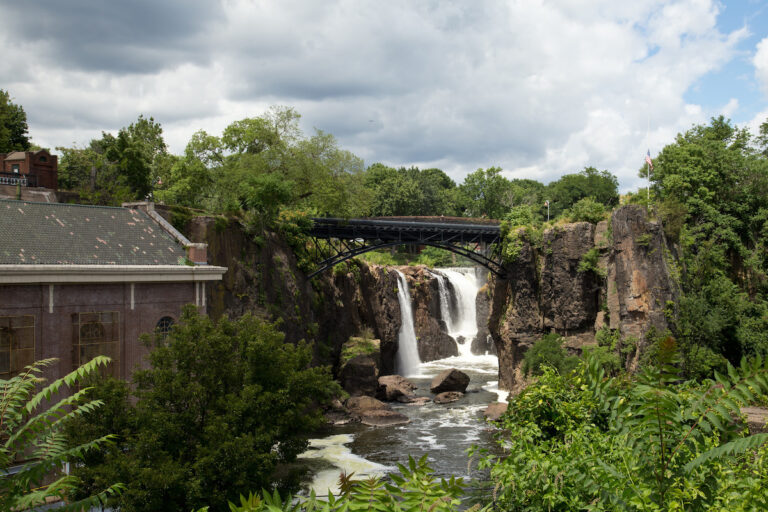
Chicago Portage National Historic Site, Lyons
If you want a little bit of wilderness right off the bat on your Route 66 journey, detour to the Chicago Portage NHS in the Cook County Forest Preserves. This spot marks the end of the portage between the Great Lakes and the Mississippi River — a key link that made Chicago a major trading hub back in the day when fur pelts were currency.
Here’s where to get your passport stamp for this site.
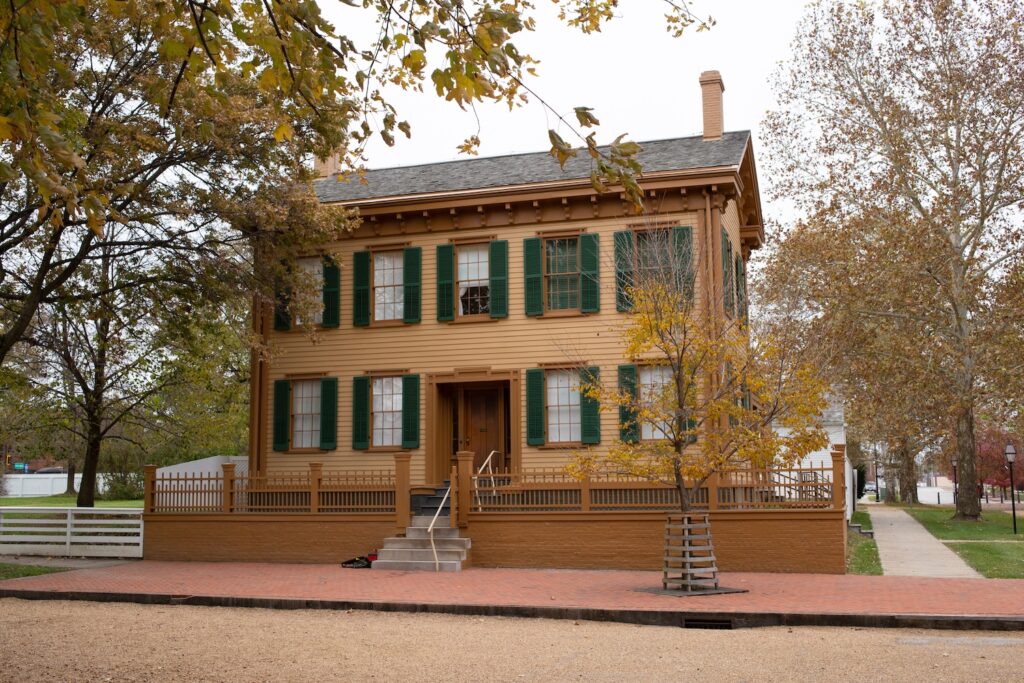
Lincoln Home National Historic Site, Springfield
Everyone has to start somewhere, and this home in Springfield is where Abraham Lincoln and family lived while he cut his teeth as a lawyer and up-and-coming politician. Take a tour of the house and wander around the brick streets of the historic district.
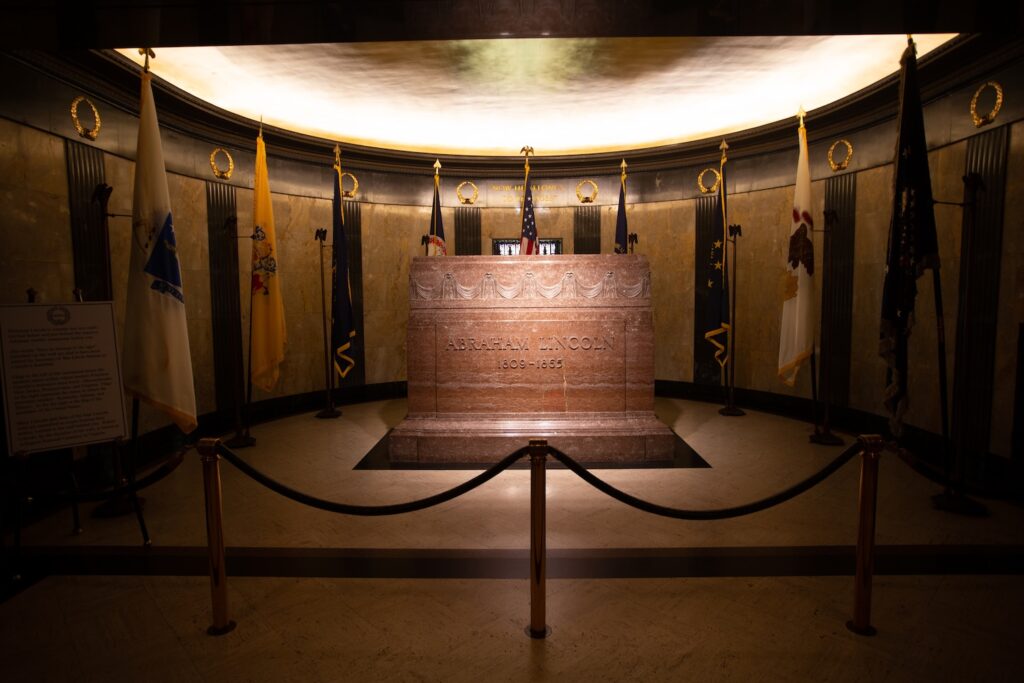
And you’re already here in Springfield, so you really should go to the Lincoln Tomb and visit Abe (and Mary) at their final resting place. Tours recommended here too — there’s a lot of symbolism in the space that bears explanation.
Springfield 1908 Race Riot National Monument, Springfield
This is a “park in progress,” as they call it, established in August 2024. But I’m including its info here for future travel! As of October 2026, you can get more information on the park at the Lincoln Home NHS.
MISSOURI
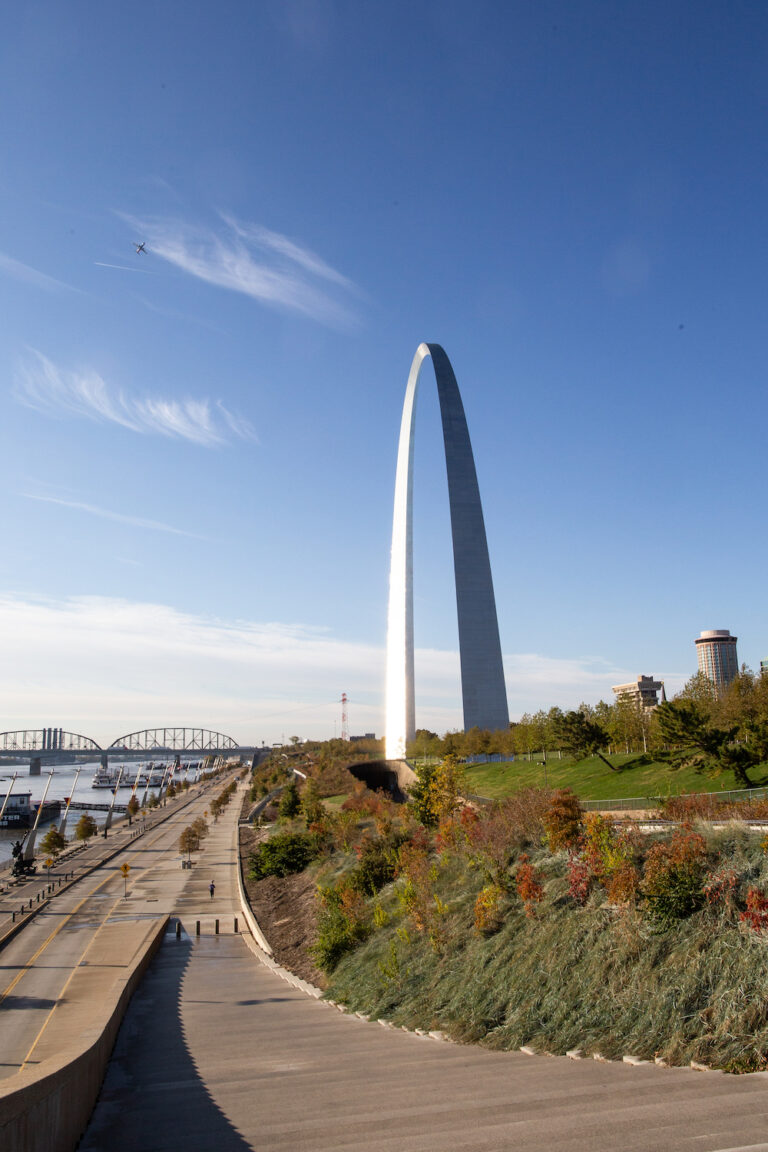
Gateway Arch National Park, St. Louis
A divisive National Park! But one I love dearly for its midcentury marvelousness and architectural grandeur. The museum below the arch is FREE and a true deal for the experience; the tram ride to the pinnacle will cost you to get those spectacular views.

Read my related story that goes into greater detail on the history of Gateway Arch and the experience of visiting the park.
And as I mentioned in that piece, the tram ride is not for claustrophobes. I still think about my mild freak-out in that cramped little pod, with a window showing nothing but the walls and machinery taking us all the way back down to ground level. I had to do it and get the full Gateway Arch experience, but it was a toughie.
Ulysses S. Grant National Historic Site, St. Louis
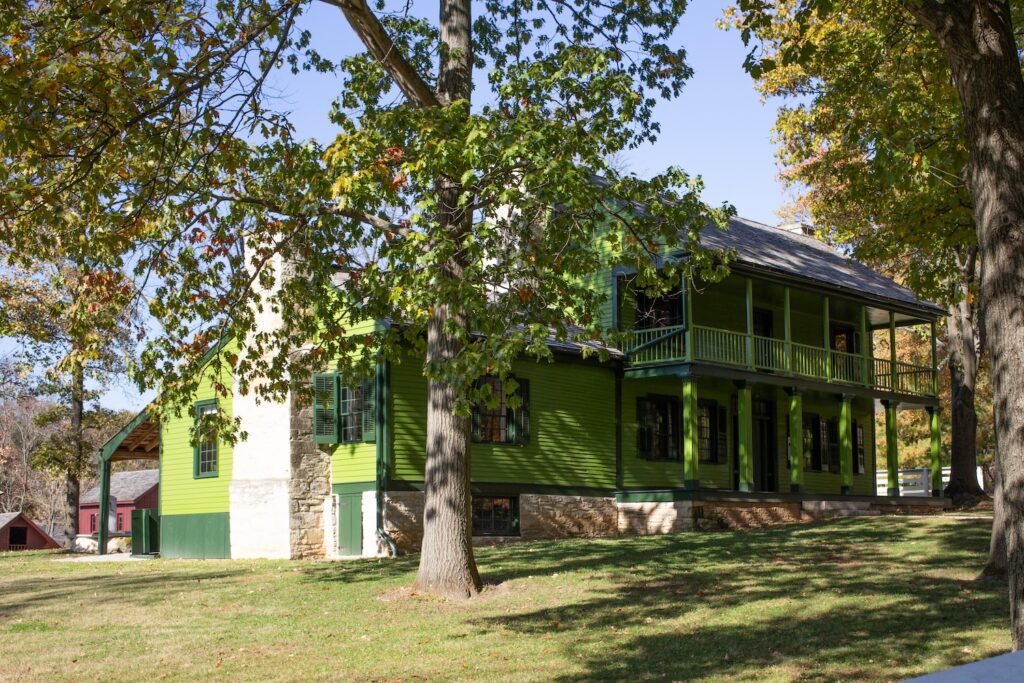
Yep, the house is Kermit green, but it’s called White Haven. Go figure. It was the home of Julia Dent, who became Ulysses S. Grant’s wife, and this vividly painted house was where the young couple lived with her family (and their enslaved laborers — Julia seemed like an iiinteresting person) prior to the Civil War.
The site offers free daily tours of the house, and the grounds are open to see the other historic buildings on the estate.
OKLAHOMA
Oklahoma City National Memorial, Oklahoma City
The “victims, survivors, rescuers, and those changed forever” by the 1995 bombing of the Alfred P. Murrah Federal Building are honored at this outdoor memorial and adjacent museum. The outdoor memorial is free to visit and is a powerful spot for reflection, especially if you take the time to note all the symbolic elements of the design.
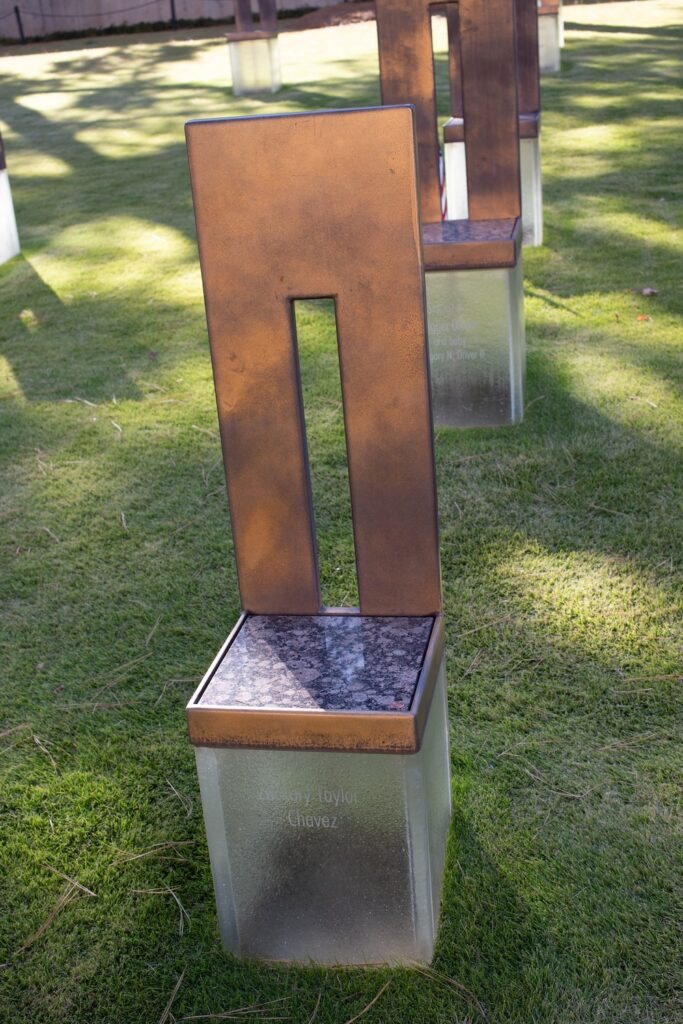
The day before we got to Oklahoma City, we met a local in the parking lot of Pop’s in Arcadia. She told us about Zackary Chavez, the younger brother of a friend she played soccer with. She said he would always ask people for pennies — not nickels or dimes — and that when she visits the memorial, she always leaves him one.
So when we visited the memorial, we made sure to place a penny on Zackary’s chair.
NEW MEXICO
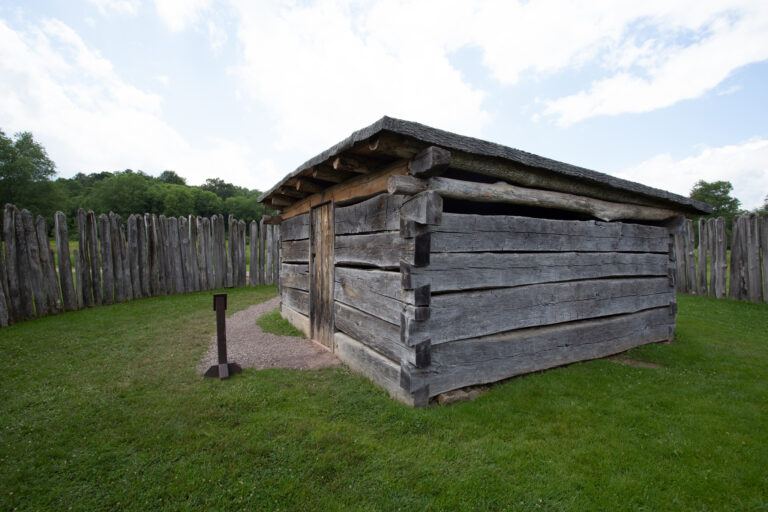
Fort Union National Monument, Watrous
OK, now we’re getting into the heart of the western portion of Route 66, so if you’re ready for sweeping vistas and the contrast of chile-toned adobe against brilliant blue skies, you’re in the right place!
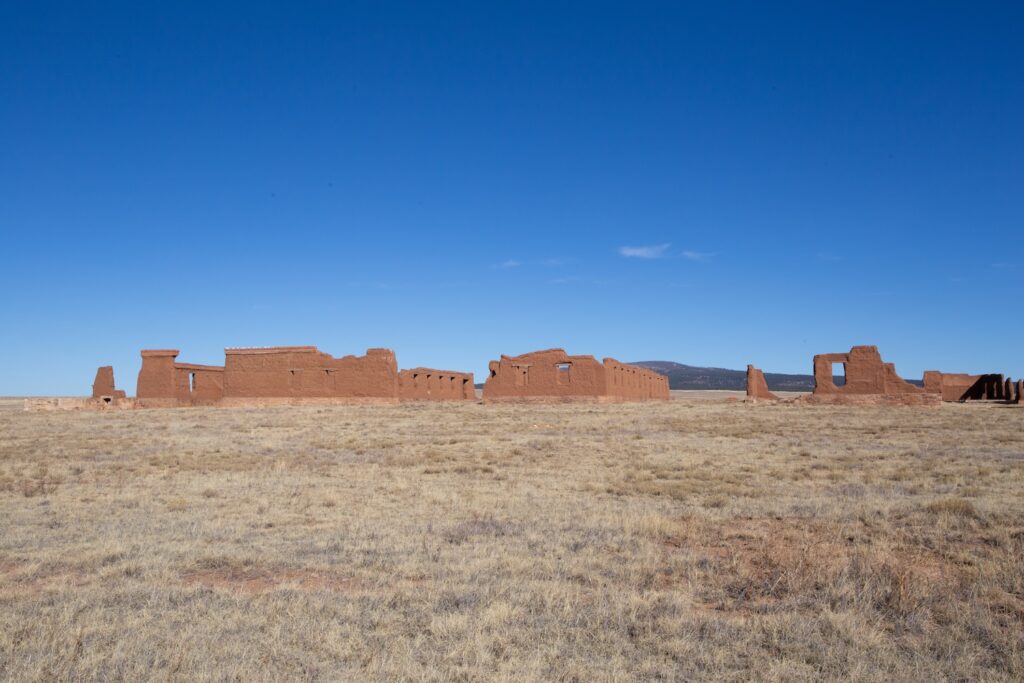
Fort Union NM preserves the ruins of the third military fort (1862-1891) built at this location along the Santa Fe Trail. The first was plagued by bedbugs (!), and the second was built a mile away from the current ruins to defend the region from encroaching Confederate soldiers during the Civil War. More on that at…
Pecos National Historical Park, Pecos
Following 66 west of Watrous and an easy drive from Fort Union, you’ll find Pecos NHP, home of the sprawling and impressive Pecos Pueblo. As the official website states:
“Pueblo and Plains Peoples, Spanish conquerors and missionaries, Mexican and Anglo armies, Santa Fe Trail settlers and adventurers, tourists on the railroad, Route 66 and Interstate 25…the Pecos Valley has long been a backdrop that invites contemplation about where our civilization comes from and where it is going.”
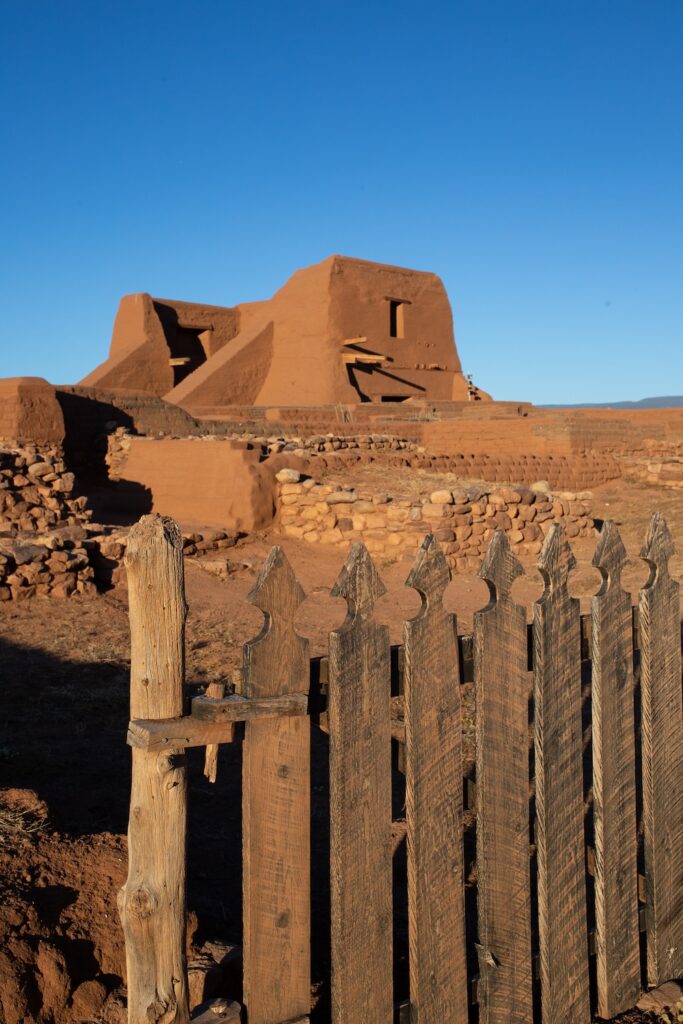
Pecos offers a few easy hiking trails, and I’d definitely start with the primary trail, which takes you through the ancestral Pecos Pueblo site and the Mission buildings constructed by Spanish colonizers. There’s also a trail to the site of the Battle of Glorieta Pass — the westernmost conflict of the Civil War.
Bandelier National Monument, Los Alamos
As I noted in our itinerary, we dedicated two days of our three-week trip to Santa Fe, because there’s just so much awesomeness in the area. The first day was to soak up Santa Fe proper, and the second was to see the Bandelier and Manhattan Project sites before heading to Albuquerque.
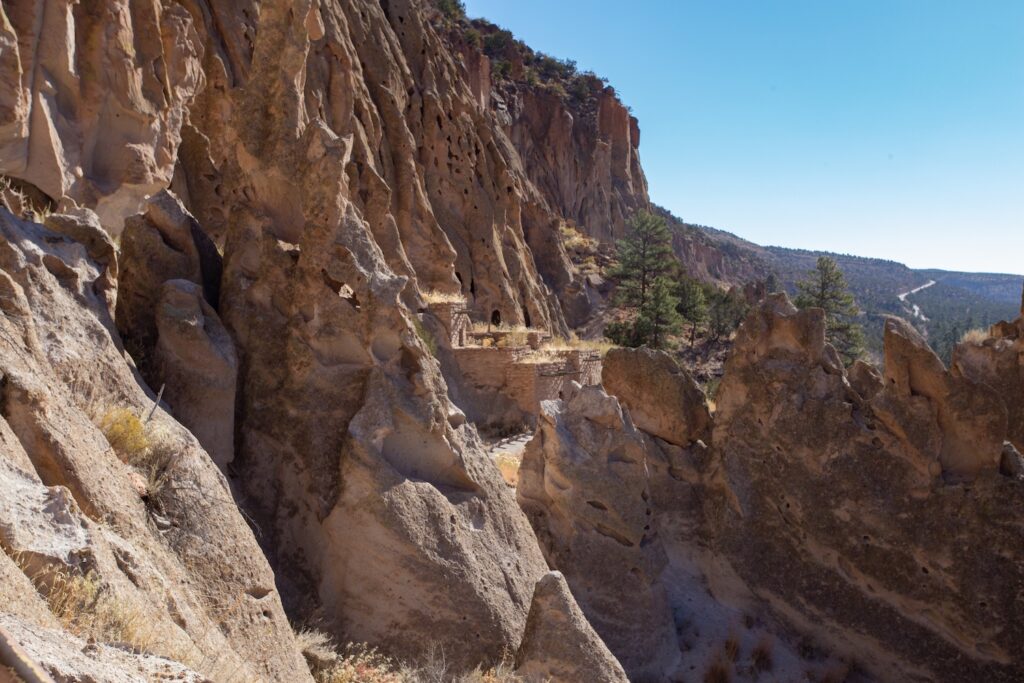
Bandelier is stunningly situated on the Pajarito Plateau among volcanic cliffs and canyons, pine forests, waterfalls, and mesa views. There are 70 freaking miles of trails to explore! If you only have limited time, the Pueblo Loop Trail takes you past Pueblo cultural sites, including kivas, petroglyphs, cliff houses, and more.
Other detours near Los Alamos:
Valles Caldera National Preserve is adjacent to Bandelier, if you’ve got more time to spare and can’t get enough of the wilderness here.
Manhattan Project National Historical Park, Los Alamos
Technically one of three National Park Sites that tell the story of the Manhattan Project (the other two are in Hanford, WA and Oak Ridge, TN), Los Alamos is a choose-your-own-adventure kind of NHP.
Los Alamos itself was a company town for the Manhattan Project, so a self-guided tour walking downtown gives you a sense of the strange normal vs. covert history of the site — even if you couldn’t bring yourself to sit through Oppenheimer. Guided tours of the Los Alamos National Laboratory sites are only offered in May and October.
If you have more time, the local museums and the Los Alamos Visitor Center offer a bunch more context of the area too.
Petroglyph National Monument, Albuquerque
If, like us, you decided to do Bandelier, Manhattan Project, AND Petroglyph all in one day, you might be a little worn out by the time you get to Albuquerque. Never fear.
Petroglyph is a compact system of trails nestled into in the Albuquerque sprawl that give you great vantage points of the impressive namesake petroglyphs on the tumbled piles of volcanic rocks. It’s an easy-peasy way to see the carvings and the natural elements of New Mexico before you head into town for a meal at the Frontier Restaurant.
El Malpais National Monument, Grants
These next two parks are a leeeetle bit out of the way, but I assure you the detour off Route 66 is well worth your time. Also — when are you going to have another chance to cross these puppies off your National Parks list!?!?
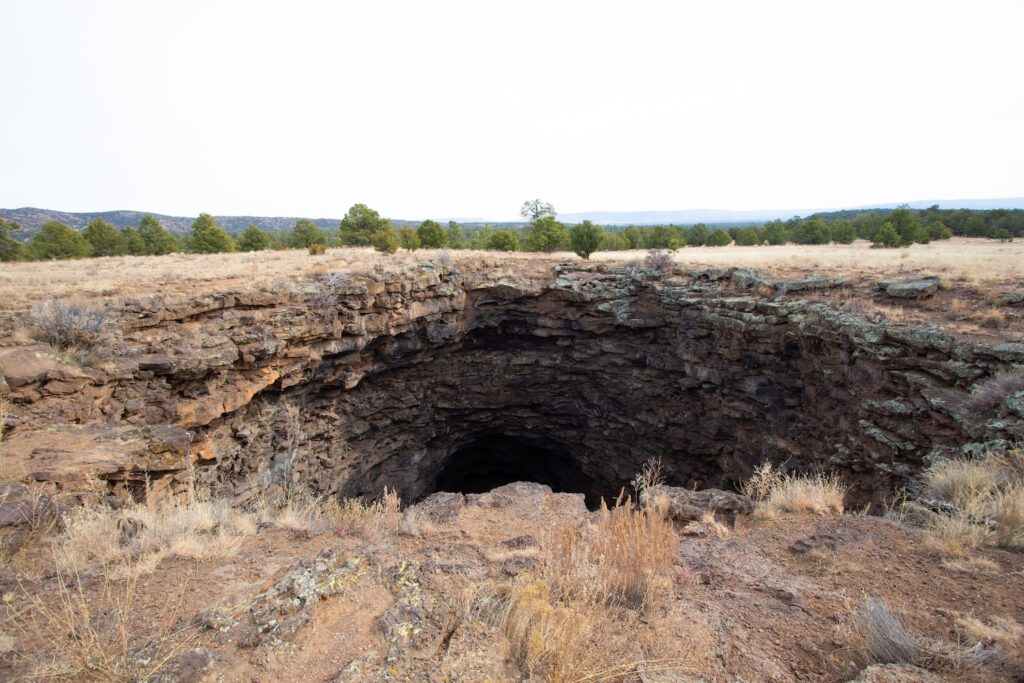
First, at El Malpais (“the bad country” in Spanish), the ground is lava. OK, it’s not hot molten lava right now. But it used to be! The site of the park was a hotbed of volcanic activity a few millennia ago, and now we are rewarded with a beautifully desolate landscape of calderas, cinder cones, volcanic vents, and lava tube caves that are now home to bats.
Yes, you can see BAT CAVES!
The Continental Divide Trail also passes through El Malpais, conveniently at a picnic area, so you can stop ON the CDT and eat a little lunch while you’re at it!
El Morro National Monument, Ramah
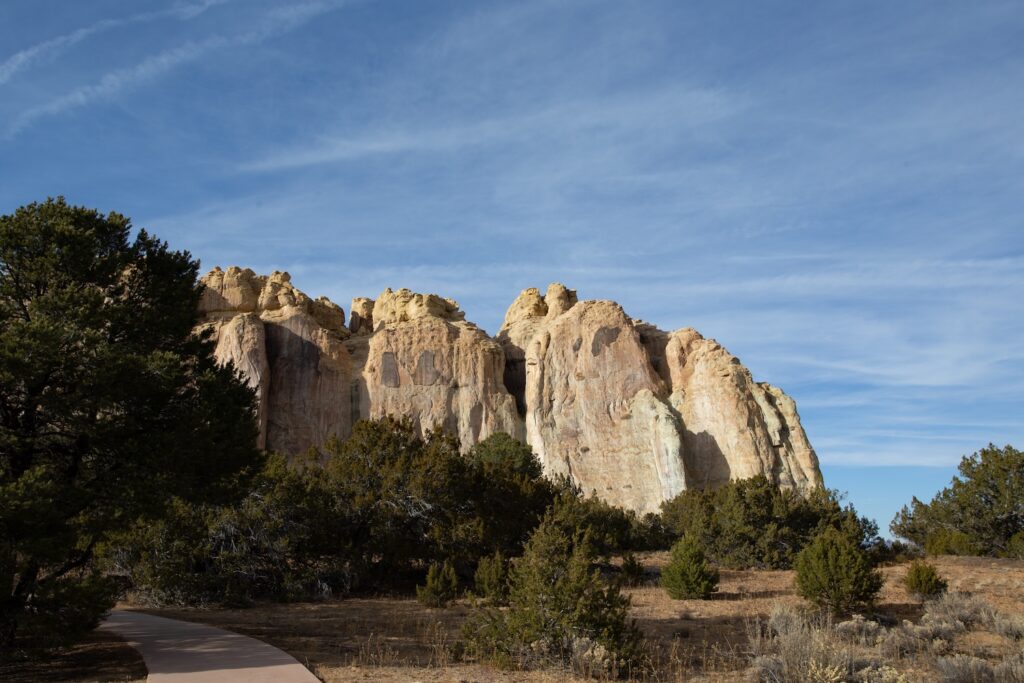
OK, this park is a 45-minute drive northwest of El Malpais, but trust me — it’s a stunner. A massive wall of sandstone rises from the ground, a monolith towering over the land. This is El Morro (”the headland” in Spanish), the awe-inspiring geological feature that gives the park its name.
all photos copyright Casey Barber – please be respectful and don’t use without permission!
As you walk toward the bluff, you might imagine you’re hearing the trickle of water. But you’re not imagining it. There’s a natural pool at the foot of the cliff, a literal oasis in the high desert that’s been drawing humans to this spot for more than 2,000 years. And there’s a lot to prove that fact.
Carved on the sandstone are records of human existence — from petrolygphs left by indigenous Puebloans, to flowery script signatures from conquistador-era Spanish colonizers, to blocky notations from American colonizers and military staff (some of whom rode camels through the area as part of the U.S. Army Camel Corps).
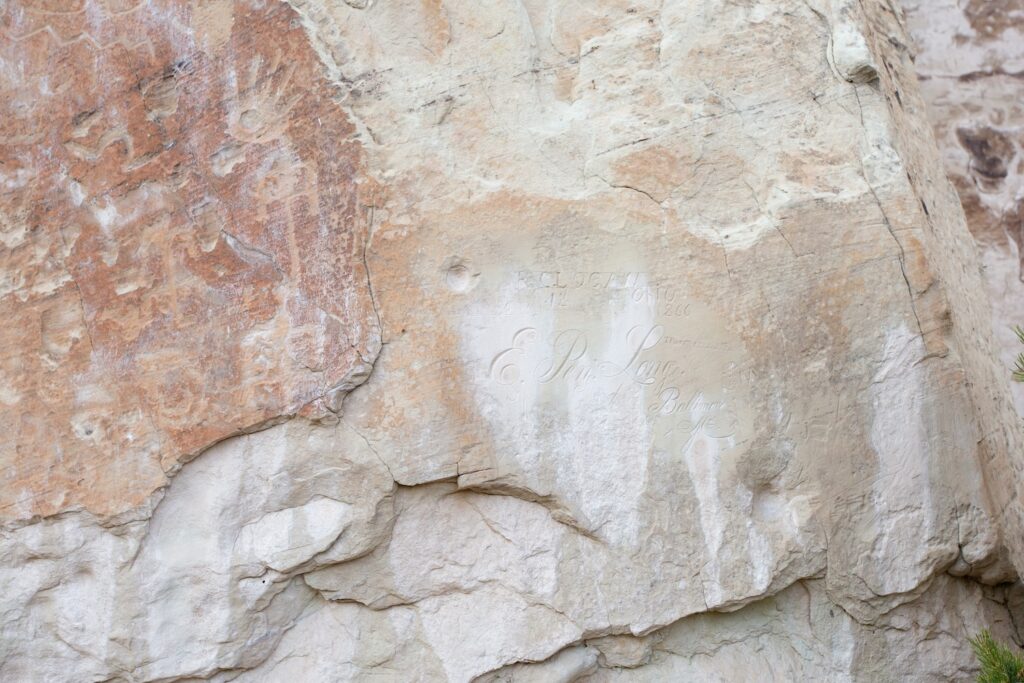
When President Theodore Roosevelt designated El Morro a National Monument, the wall was protected from further desecration and inscription. But what a collection of graffiti remains!
ARIZONA
Petrified Forest National Park
Route 66 runs directly through this small (by capital-letter National Park standards) NP, which makes it easy to stop for a day trip. And Petrified Forest manages to pack a lot into its footprint, bringing color to the desert in a riot of natural forms.
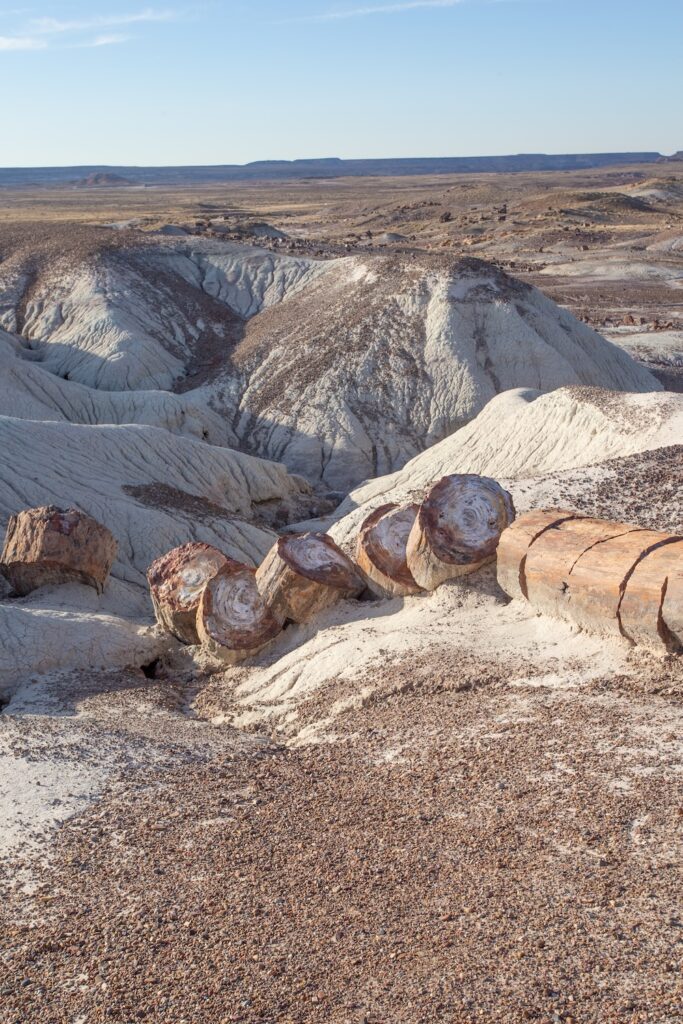
Of course there’s petrified wood, the crystalline remnants of ancient forest that have been fossilized into gemlike chunks. But there’s also watercolor-perfect badland formations, grasslands, and the painted desert itself. Remember: Leave the petrified wood in the park unless you want to be CURSED!
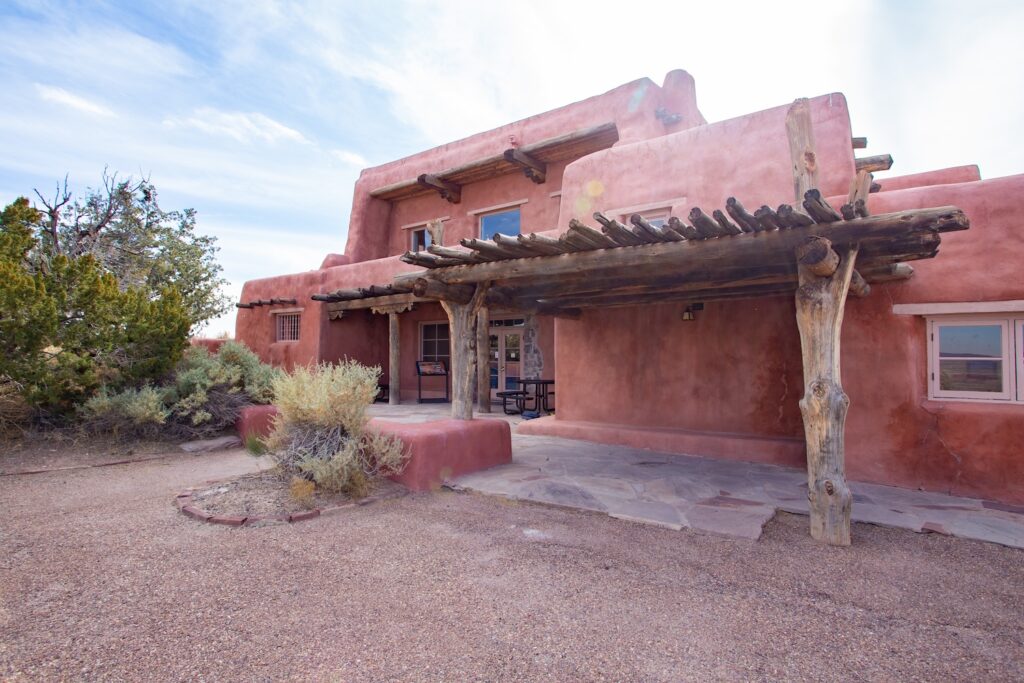
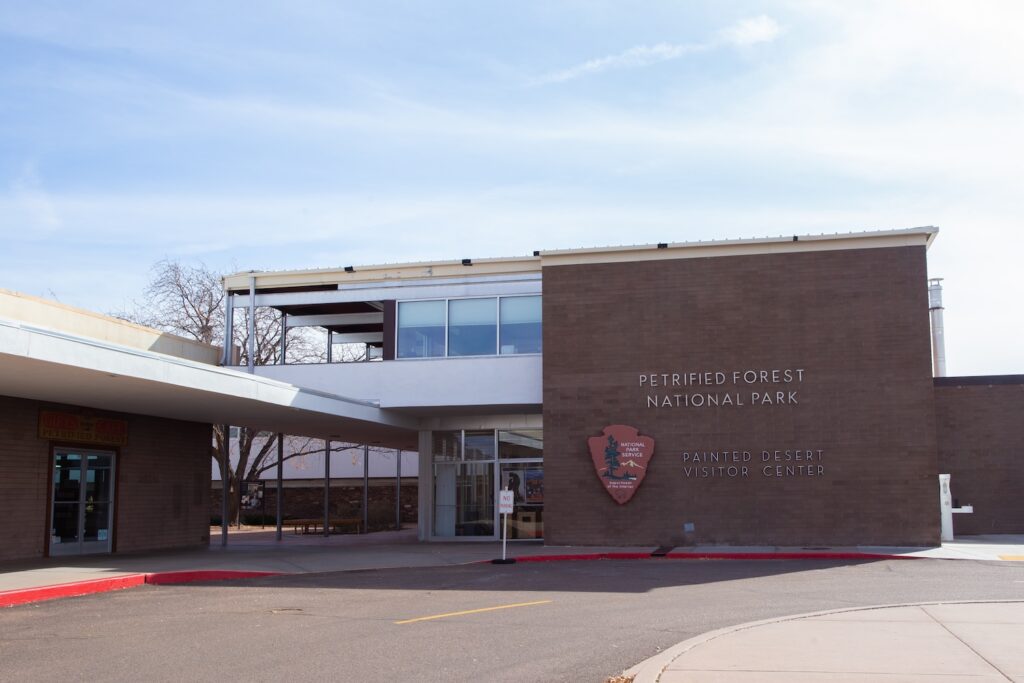
Petrified Forest also features two historic pieces of architecture: the CCC-era Painted Desert Inn (no longer in operation as an inn) and the Richard Neutra-designed visitor center, an incongruously placed piece of midcentury modernism in the middle of the desert. For design and history nerds like me, these buildings are equally as magical as the natural elements.
Sunset Crater Volcano National Monument, Flagstaff
Confession: We visited this site in 2010 during our first trip to the Grand Canyon, so we skipped it on this round. Like El Malpais, the park brings you up-close-and-personal with the elements of a volcanic landscape courtesy of the Sunset Crater Volcano itself.
The volcano last erupted about a thousand years ago, and now the lava flows and landscape surrounding its cinder cone are spotted with pines and juniper. The area could see an eruption again someday, but for now, it’s a peaceful and easy place to explore.
Wutpaki National Monument, Flagstaff
Walnut Canyon National Monument, Flagstaff
Second confession: Though planned, we never made it to Wutpaki and Walnut Canyon on our Route 66 trip because (yikes!) Dan got food poisoning in Flagstaff. So instead of visiting these sites, he took a recovery day while I did laundry and budget catch-up at the restorative Grand Canyon Railway RV Park in Williams.
Wutpaki features stunning red adobe pueblos and preserves the remains of communities that have lived in the area for more than 13,000 years.
Walnut Canyon is a layered landscape of cliff dwellings, marine fossils, conifers, and deciduous groves in a canyon that cuts through the forest plateau.
Grand Canyon National Park
Do I even have to give you the hard sell on why you should take time off Route 66 and spend it at the Grand Canyon? If you haven’t yet seen this natural wonder, you should not miss the chance to attempt to fully take in the unparalleled vistas and overwhelming beauty. If you HAVE been lucky enough to visit… well, you know you’ll want to return.
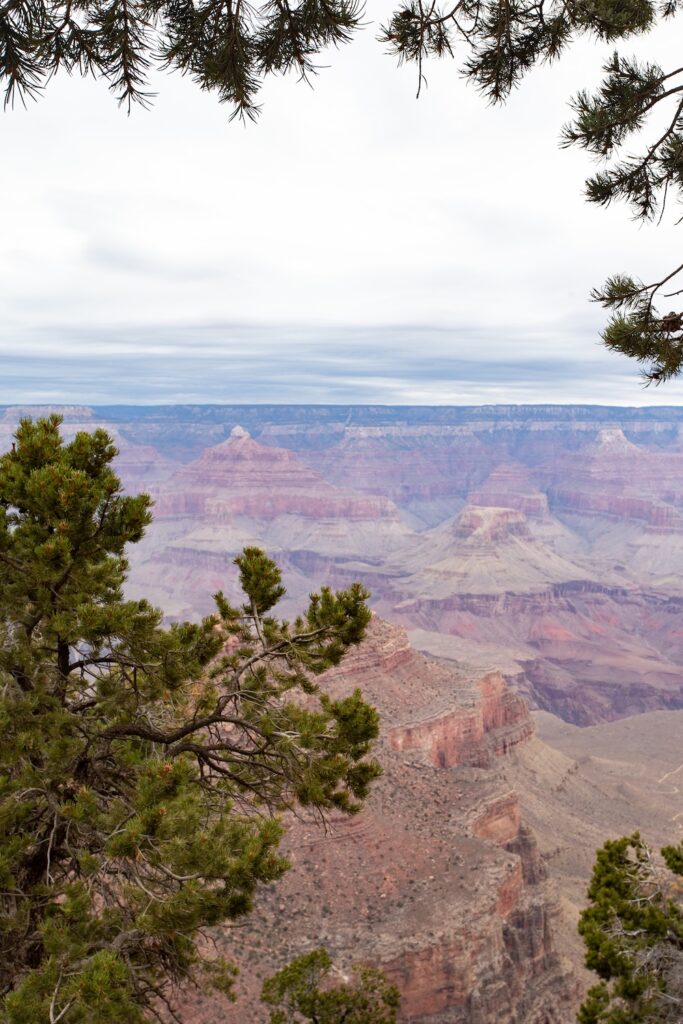
I mentioned the Grand Canyon Railway RV Park above and its excellent laundry facilities, but the other main reason we stayed there is because it’s (clearly) the home of the Grand Canyon Railway. Because we had already stayed at the Bright Angel cabins and explored the South Rim on our previous trip, we decided to take a charming day excursion via rail, Fred Harvey-style, and revisit the highlights.
The train chugged us up and dropped us off at the Historic Village District depot, giving us a few hours to walk the rim, have my favorite prickly pear lemonade cocktail, explore the well-displayed Mary Colter exhibition at the Bright Angel History Room and marvel at her architecture and designs around the Rim (Bright Angel, El Tovar, Hopi House, Lookout Studio) before heading back to Williams.
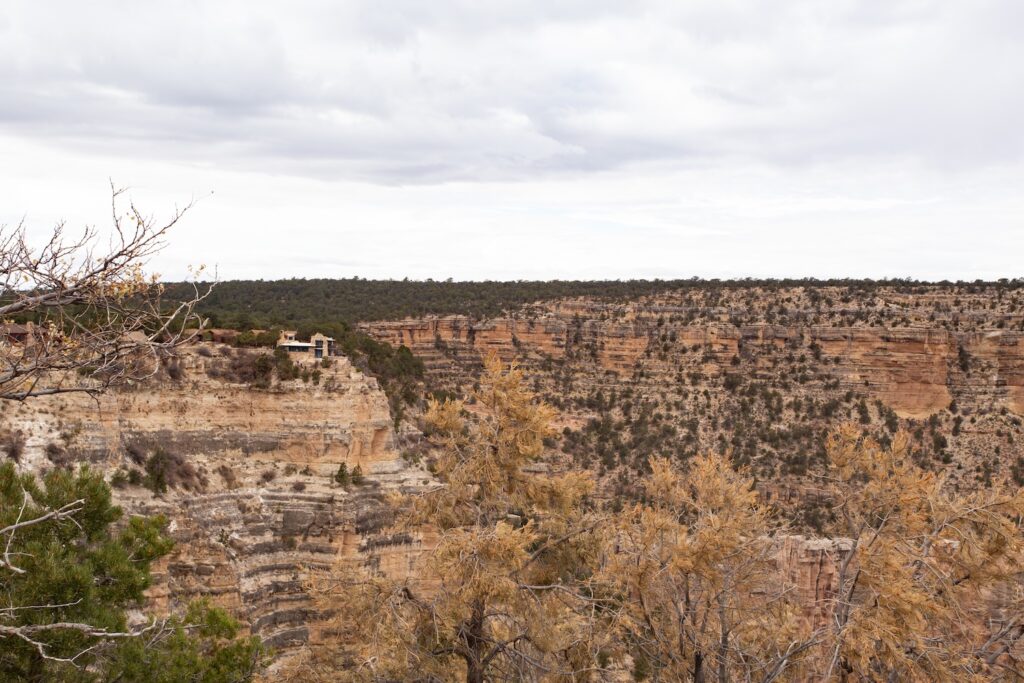
Freaking Mary Colter and Fred Harvey. Can’t get enough. I’ll write more about both of them soon.
Other detours in Northern Arizona:
Hubbell Trading Post, Ganado (which we didn’t detour to, and now I’m kicking myself for not getting that stamp)
CALIFORNIA
Joshua Tree National Park
I ask again: Do I even have to give you the hard sell on why you should take time off the Route and spend it in Joshua Tree?
For our final National Park stop along Route 66, we hit a big bucket-list park for us and spent two nights at the Jumbo Rocks campground within the park. Though a few campgrounds are first-come, first-serve, we didn’t want to tempt fate and made sure to reserve a spot in advance.
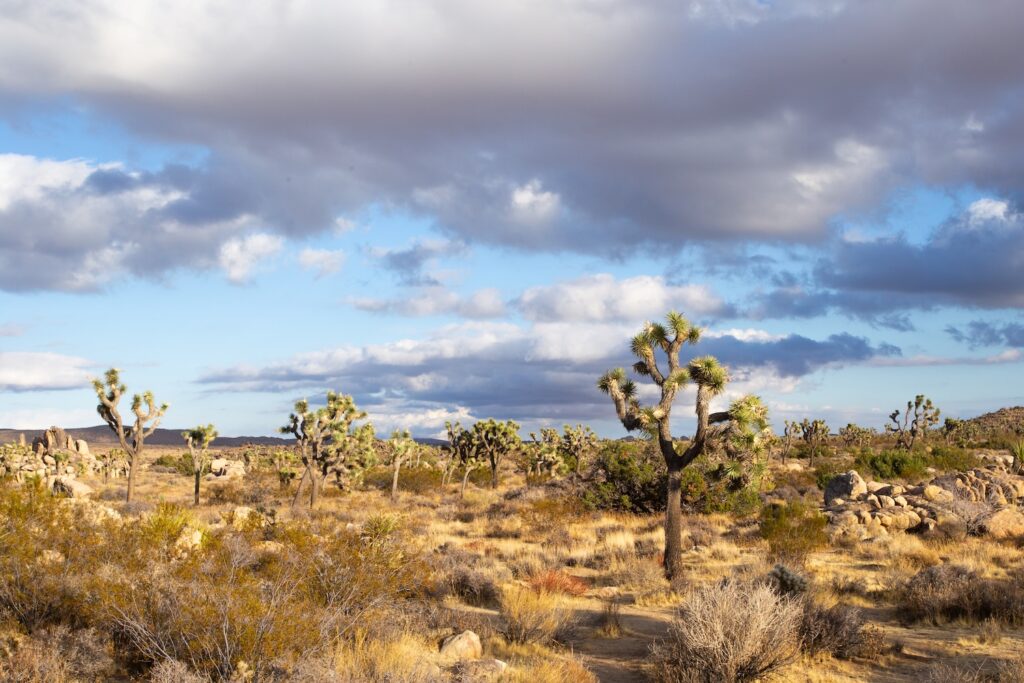
Because we visited in November, there was no superbloom to marvel over, but the diversity of plant life still didn’t disappoint. The park spans two distinct desert biomes — the Mojave and the Colorado — so a cactus- and succulent-loving gal like me could have a field day.
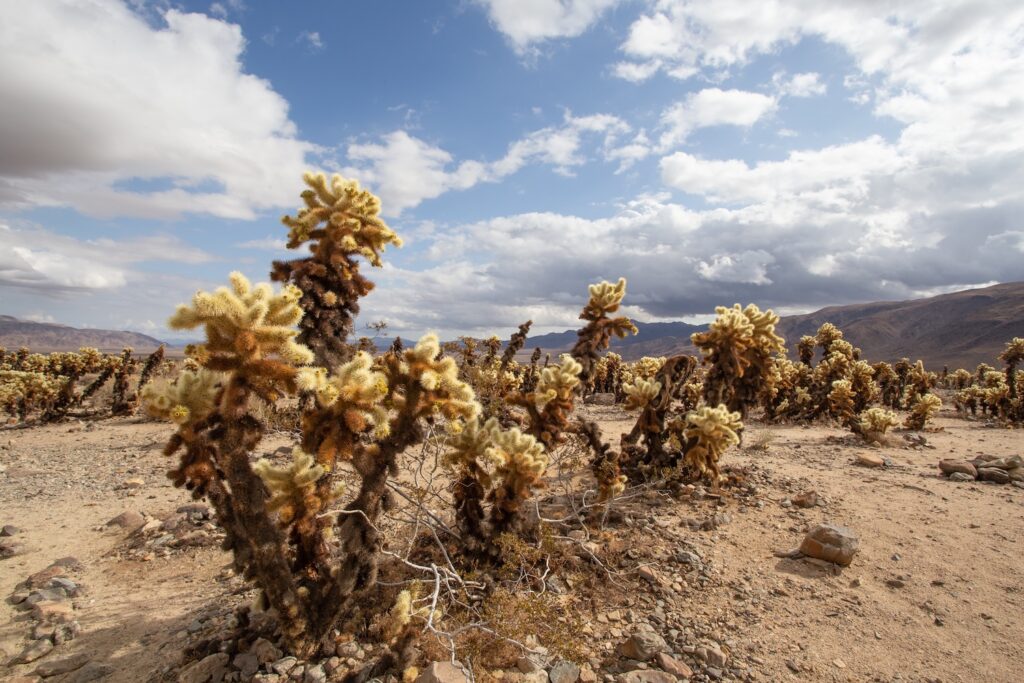
Ocotillo! Cholla! Prickly pear! Beavertail And the otherworldly Joshua Trees (technically not trees!) everywhere! Oh yeah, and ruins of mines, ranches, old-timey cars, and other evidence of human interaction strewn about like the many boulders in the landscape.
Clear night skies gave us hi-def views of constellations like Cassiopeia while we warmed our butts around the fire — no star map needed.
Other detours near Joshua Tree:
Mojave National Preserve and Castle Mountains National Monument: the Visitor Center is at 2701 Barstow Road and open 8:00 am – 4:00 pm, Monday-Friday.
WANT MORE DETAILS ON ROUTE 66?
Read more below:
The Blue Whale of Catoosa: A Route 66 Treasure
The Blue Whale of Catoosa, OK, is a beloved Route 66 attraction and one of the most charming and quirky things you’ll see on the route.The Cats of Route 66 (The Ones I Met, At Least)
While driving the length of Route 66, I got to meet a few cats on the way. Here are the cats of Route 66 that said hello to us.


TIP YOUR TOUR GUIDE
Like what you’re reading here?
I choose to keep my site ad-free and sponsorship-free, so please consider showing your appreciation by leaving a few dollars in my tip jar.